Hangzhou’s history connects early settlement, waterways, imperial life and international trade.
Before the imperial city
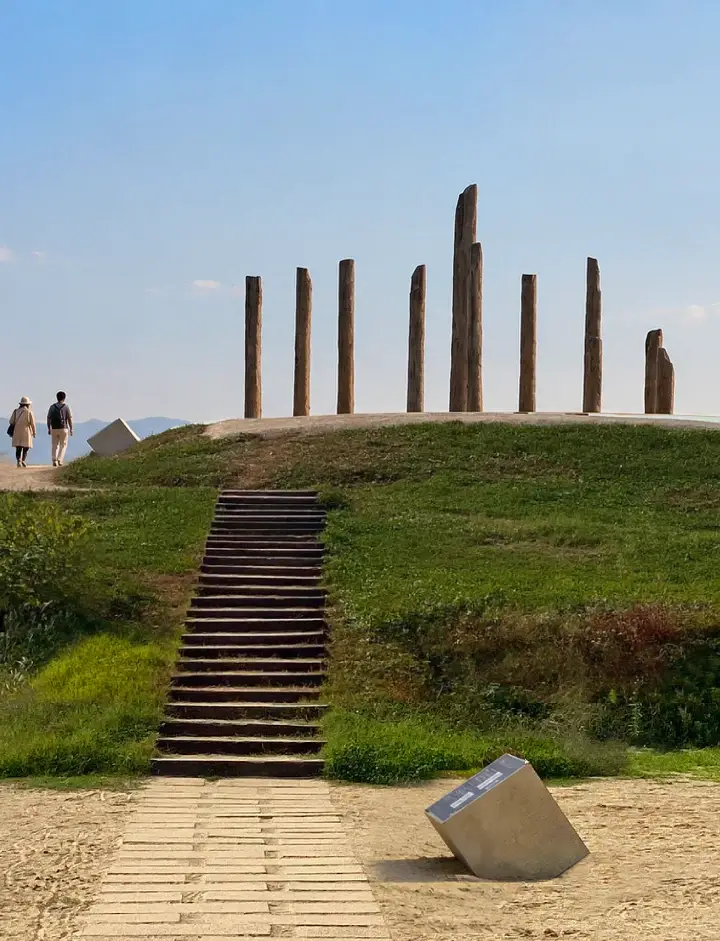
The Archaeological Ruins of Liangzhu City preserve evidence of a rice-growing society dating to approximately 3300–2300 BCE. The site became a UNESCO World Heritage property in 2019.
Liangzhu gives the region a much deeper history than the later city of Hangzhou. Avoid treating the archaeological site and the modern city as a single settlement founded on one exact date.
A city shaped by water
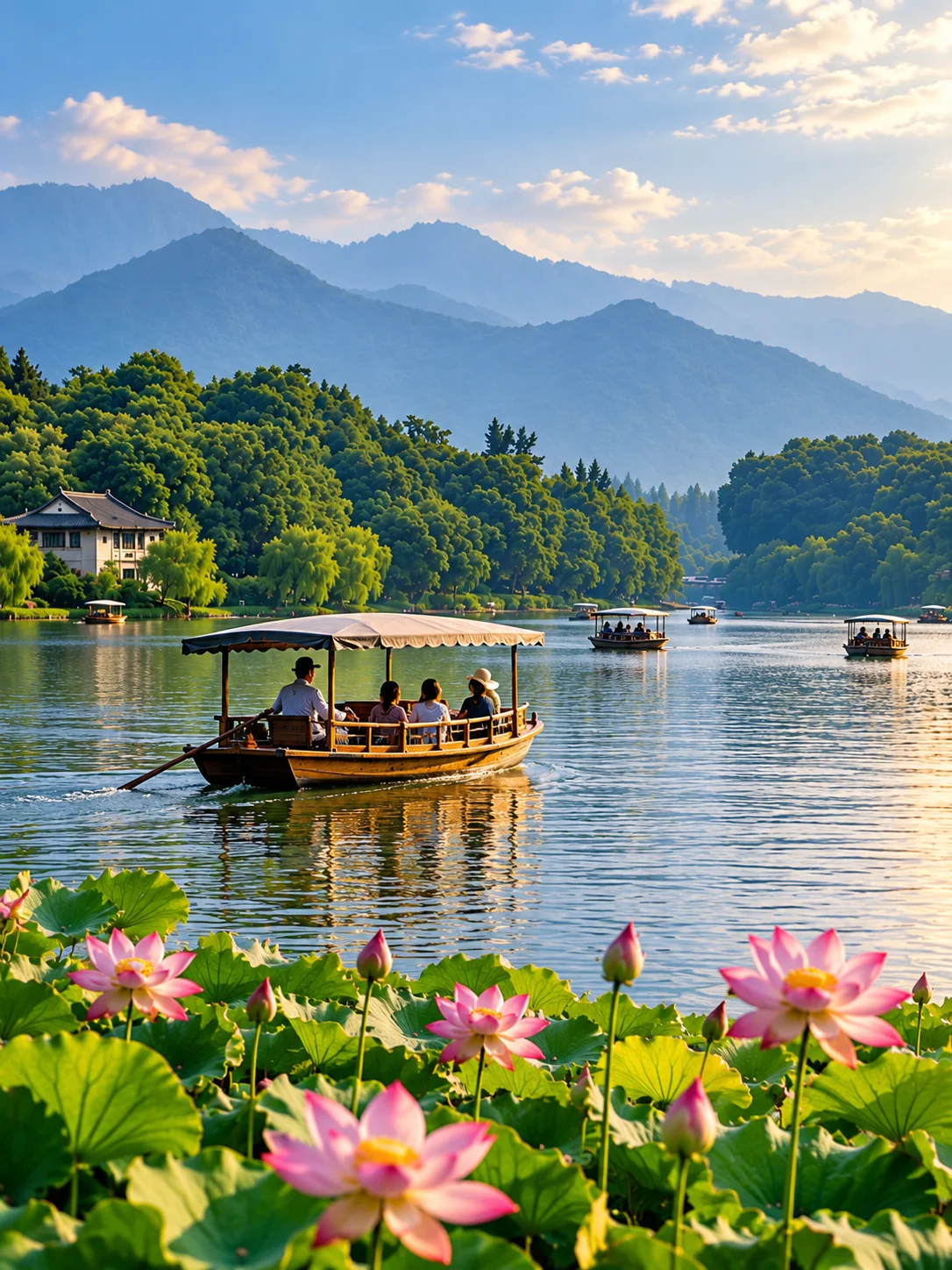
The Grand Canal helped connect Hangzhou with wider networks of transport and trade. Canals, river connections and West Lake shaped the city’s development and remain important parts of its landscape.
Capital and cultural centre
Hangzhou was a capital of the Wuyue kingdom and later the Southern Song court’s capital, known as Lin’an. The court established its capital here in 1138, during the Southern Song period of 1127–1279.
Poetry, painting, silk, tea and urban commerce are essential parts of this history. Explore the Ancient Capital and Marco Polo pages for different perspectives.