A practical introduction to the country behind your Hangzhou journey.
Country and people
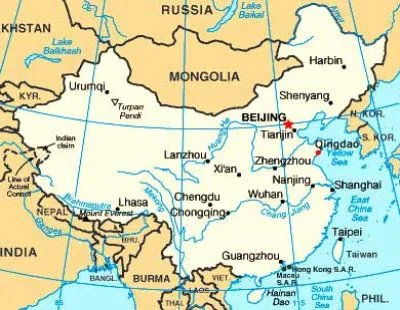
The People’s Republic of China has its capital in Beijing. The National Bureau of Statistics reported a national population of 1,404.89 million at the end of 2025; this statistical measure excludes residents of Hong Kong, Macao and Taiwan and foreign residents in mainland China. China has many ethnic communities, languages and regional traditions.
Language and culture
Standard Mandarin, or Putonghua, is the national common language. Regional languages and dialects remain important; Hangzhou belongs to the broader Wu-speaking region. Buddhist, Taoist, Muslim, Christian and other religious traditions, as well as local folk practices, form part of the cultural landscape. Percentages depend on definitions and survey methods and are not used here.
Government and administration
President Xi Jinping and Premier Li Qiang hold the principal national offices described in this guide, checked October 2026. Mainland provincial-level administration includes provinces, autonomous regions and the directly administered municipalities of Beijing, Shanghai, Tianjin and Chongqing. Hong Kong and Macao are special administrative regions. The PRC claims Taiwan, which is separately governed.
Geography and climate
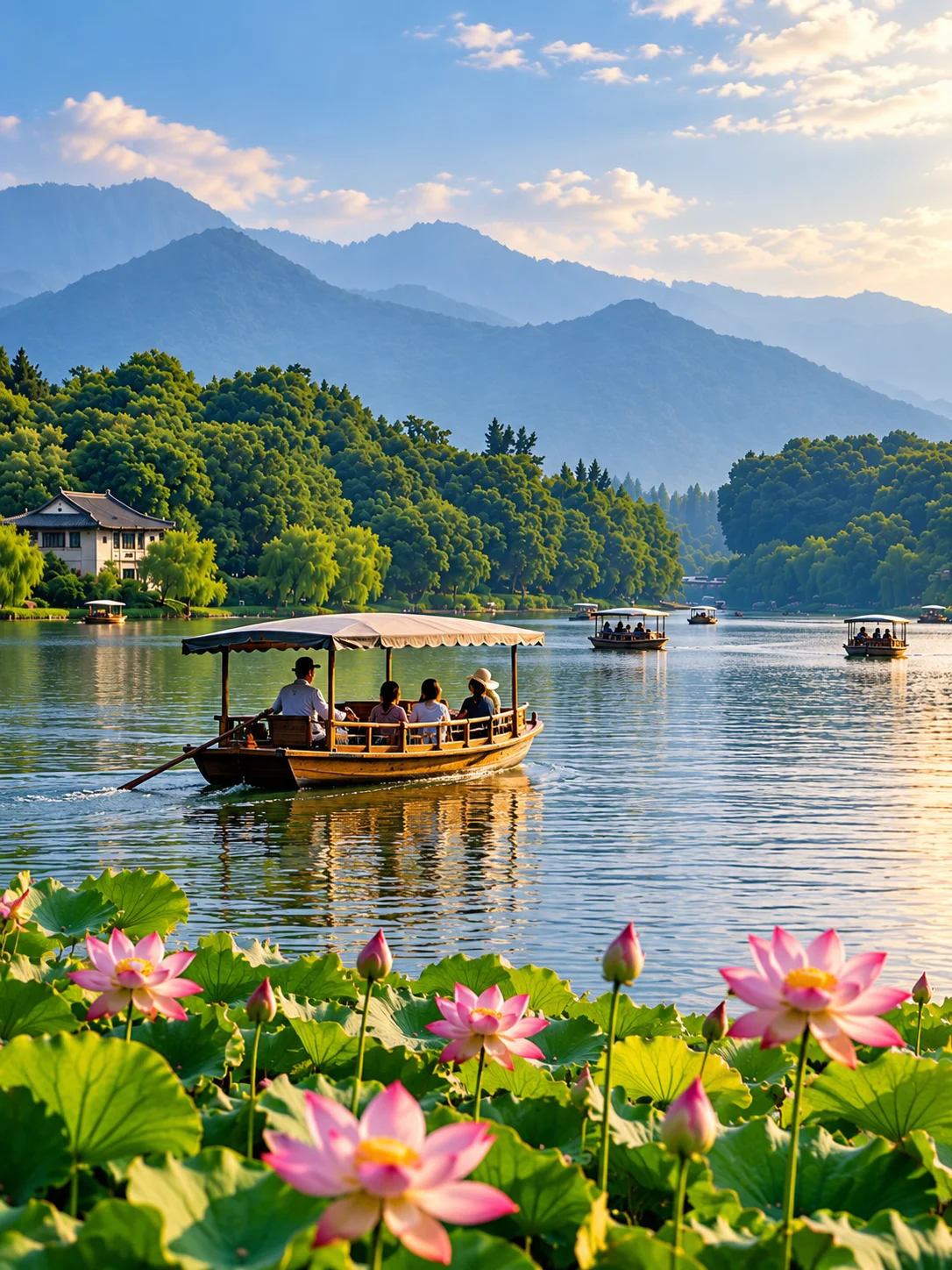
China’s landscapes range from eastern plains and river deltas to western mountains, plateaus and deserts. Climates differ widely by region. Hangzhou lies in Zhejiang Province in eastern China, with a subtropical monsoon climate. Mount Everest lies on the Nepal–Tibet border.
Travel essentials
Mainland China uses China Standard Time (UTC+8) and the renminbi, whose unit is the yuan (CNY). Check entry requirements with the Chinese authorities for your nationality and itinerary before booking. Conditions can change, and this website does not give individual visa advice.
National Bureau of Statistics ↗ State Council ↗ Hangzhou dialects ↗